Artificial intelligence at its best! The Rescue competition mirrors the real life use of robots that rescue people from life-threatening situations.

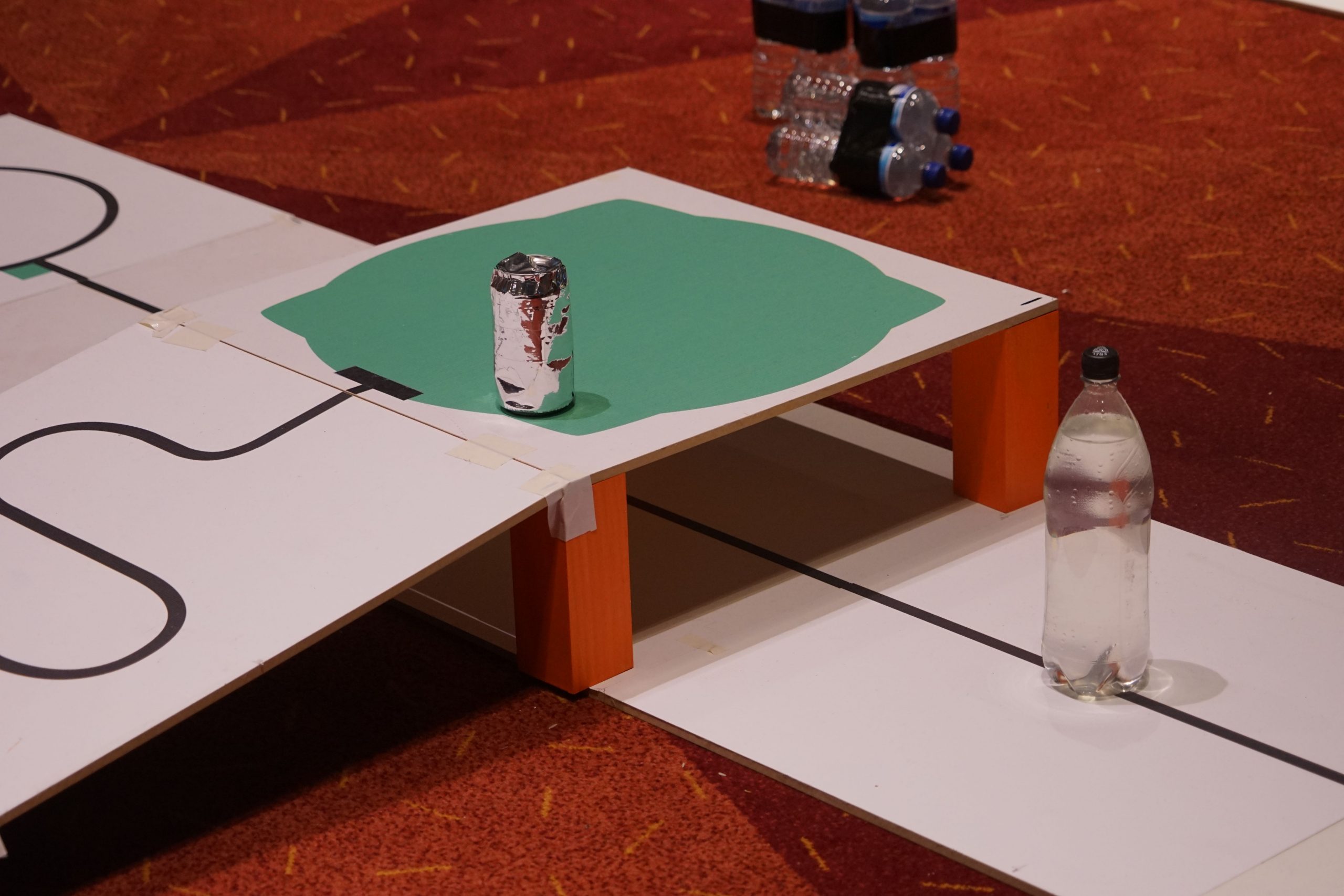
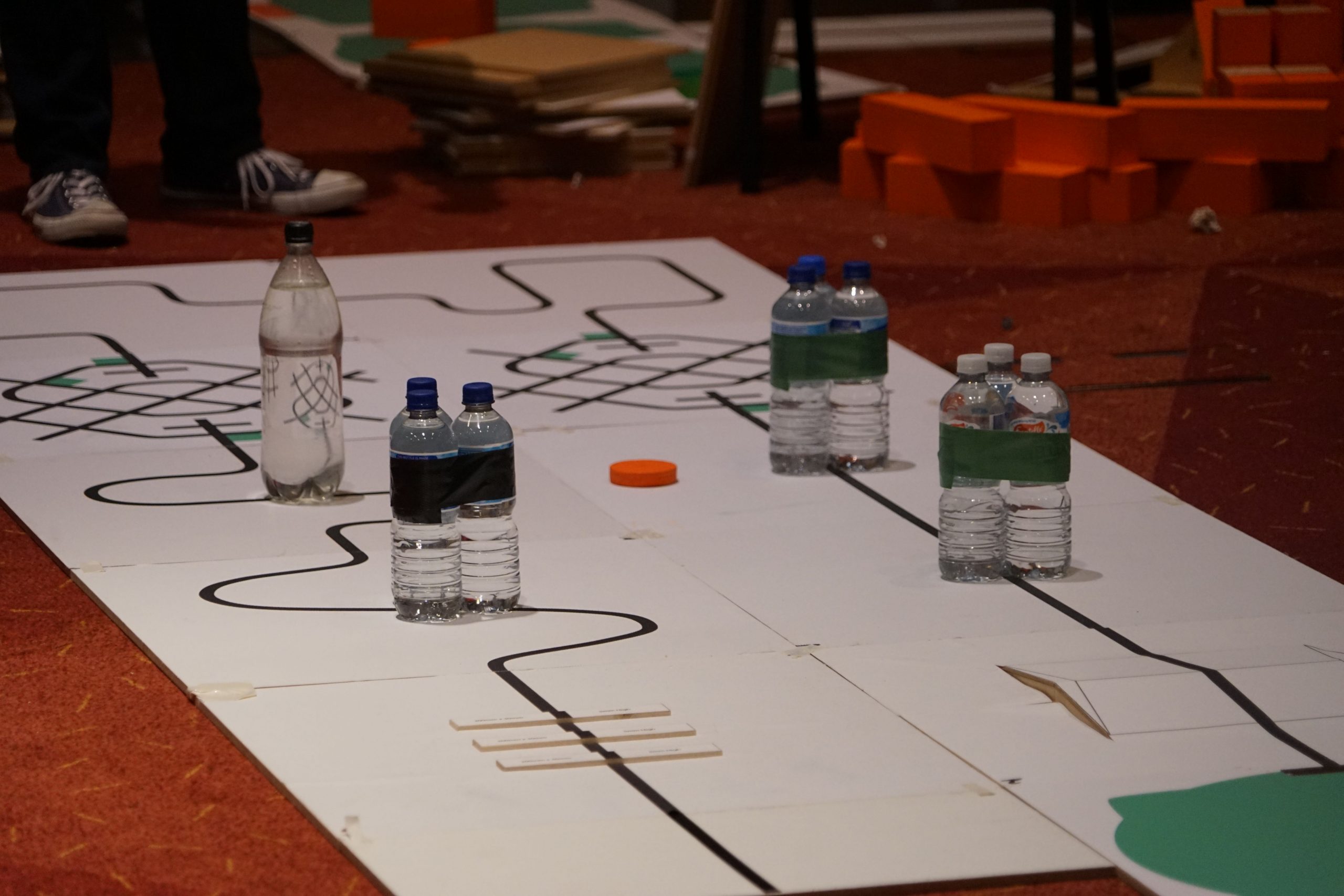
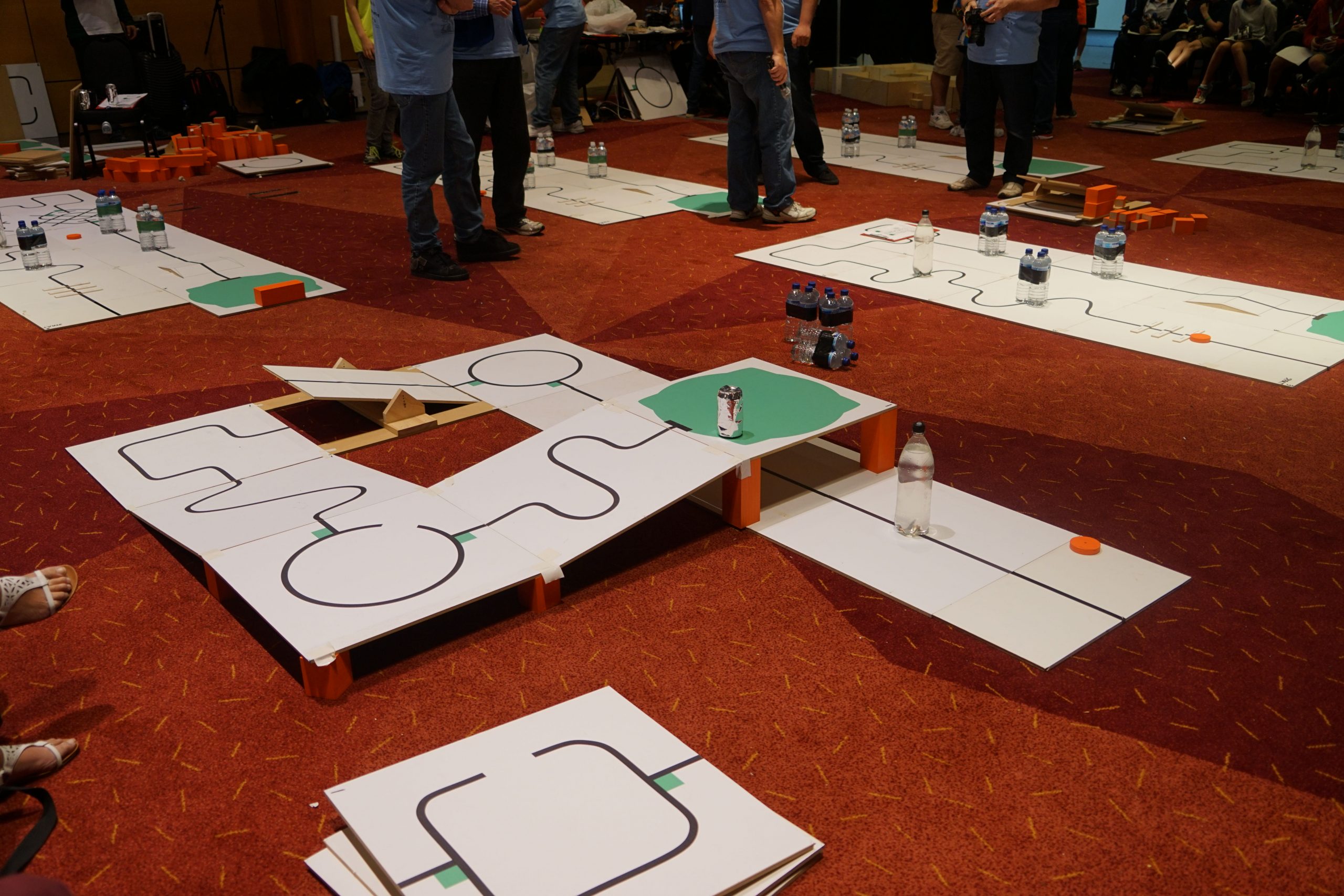
Robots compete by following a winding line on a series of tiles to a designated rescue area. On the way the robot could encounter obstacles, bridges and short cut opportunities that will challenge the most intrepid programmer. After negotiating the randomly selected path, the robot arrives at a green coloured area which indicates a chemical spill. While the clock is still ticking the robot must find “the victim” before pushing them out of the chemical spill to safety.
Due to its ease of introduction to the uninitiated, many students choose to use LEGO Mindstorms kits to build and program their robots. Other students select alternative platforms and even build their own microprocessor robots from basic electronic components. A range of sensors can be attached to all of these platforms, including electronic compasses, sonars, light sensors, infrared sensors, and cameras.
There are now up to five divisions of the Rescue Line challenge, each with slightly different rules and levels of difficulty.
The Riley Rover division is the entry-level division for RoboCup Rescue Line. This is open to students in both Primary and Secondary school aged students.
The Primary Division is the intermediate division for RoboCup Rescue Line for Primary School aged students. All members of the team must be in primary school.
The Secondary division is next level up-level division for RoboCup Rescue Line. Robots compete on the same field as the Primary/Riley Rover and play under the same rules, but may encounter some extra tiles including the challenging “gridlock”. Once Secondary teams reach the chemical spill they need to find “the victim” and control it by either containing it or grabbing it, then they can either maneuver it out of the chemical spill or lift it onto a raised platform, rather than simply push out of the spill area.
The Open division is the next level up for experienced rescue teams looking for a greater challenge, particularly those who wish to qualify for international competition. While the competition tiles are the mostly the same as secondary, when teams reach the rescue zone it is not a chemical spill but instead a larger zone containing small sized ball-shaped victims and coloured zones to lift and drop them into.
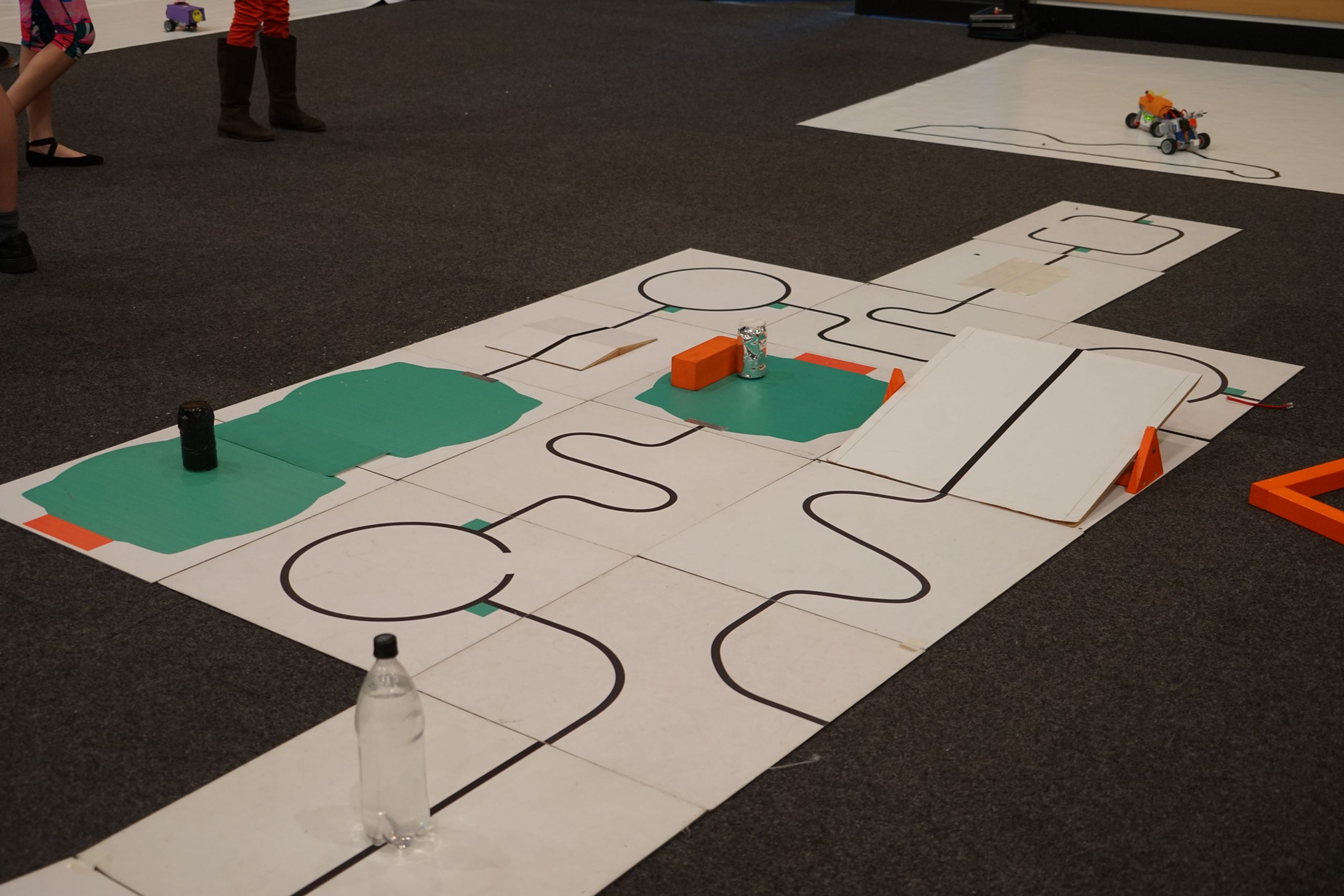
The rescue field is based on a modular square tile which we can use to make an endless number of different courses for your robots to traverse and also provides us with the ability to add new tiles in the future. We are also introducing a 3rd dimension to the course with bridges, speed bumps and obstacles.
From 2016 the tiles can be as small as 300 mm x 300 mm and with lines of any shape, within boundaries specified in the rules.
Our Platinum National Sponsor, MTA, has some practise equipment available on their website here. Please note this is only one example of how the tiles might be designed, so the rescue courses at your local event may vary.
Make sure you read the latest rules for this challenge. These rules can change from year-to-year.
Check out our Getting Started section for tutorials and more information about how to start making your rescue robots!
Modern Teaching Aids supplies many of the kits and parts you may need to construct a LEGO rescue robot.